What is Manga Yaoi and Fujoshi?
Yaoi is a subgenre of manga focused on romantic and sexual relationships between male characters. The term first appeared in Japan in the 1970s, initially as an abbreviation for "yama nashi, ochi nashi, imi nashi" (no climax, no punchline, no meaning), but it evolved to designate homoaffective romance stories created and consumed primarily by women.
Fujoshi, literally "woman who can't marry", is the term that describes fans who enjoy yaoi works.The fujoshi community is vibrant, creative and responsible for a significant part of the consumption and production of content in this niche, including fanfictions, fan arts and in-depth discussions about narratives.
Unlike BL (boys' love), which is a broader genre and can include content created for mixed audience, yaoi maintains specific characteristics: focus on the relationship between two men, dynamic seme/uke (dominant/submissive character) and often explicit content.
The Cultural Evolution of Yaoi in Japan and the World
The yaoi movement was born at the anime and manga conventions of the 1980s, when fans created doujinshi (amateur manga) with characters from popular works in romantic situations.
In the 1990s and 2000s, the internet completely transformed the dynamics of the community. Distribution sites, specialized forums and social networks allowed fujoshis from different countries to connect, compare favorites and create their own content without geographical barriers.The globalization of Japanese pop culture has amplified this phenomenon exponentially.
Currently, yaoi transcends cultural boundaries.Women from Brazil, the United States, Thailand and Europe are active consumers and content creators.Platforms such as Webtoon and Tapas, which host webcomics of various styles, have consolidated yaoi as a legitimate genre with millions of monthly readers and works that sell millions of copies annually.
Main Features of Yaoi Stories
Dynamic Seme and Uke seme refers to the dominant character, usually more aggressive and assertive. Uke is the most submissive character, often portrayed with more delicate physical characteristics or more sensitive personality.
Another central feature is the deep emotional development. Many yaoi works are not just about sex; they are explorations of complex relationships, vulnerability, acceptance, and love Junjou Romantic e Sekaiichi Hatsukoi they gain legions of fans precisely because they address real feelings: jealousy, insecurity, rejection and reconciliation.
A exploration of power and consent dynamics while some older works contained questionable scenes from a modern perspective, contemporary Yaoi manga tended to approach consent more consciously, reflecting the evolution of community values.
Most Acclaimed Yaoi Manga and Their Dynamics
Junjou Romantic, by Shungiku Nakamura, is virtually synonymous with yaoi for many fans. The series follows four couples in different stages of relationship, offering balanced humor, drama and romance.
Sekaiichi Hatsukoi, also from Nakamura, is often recommended as an entry point for beginners. The story of Ritsu and Takanoum writer and its editor DOExplore themes of acceptance, careerism and love in a professional context.Many fujoshis consider this manga what introduced them to the genre, indicating their cultural impact.
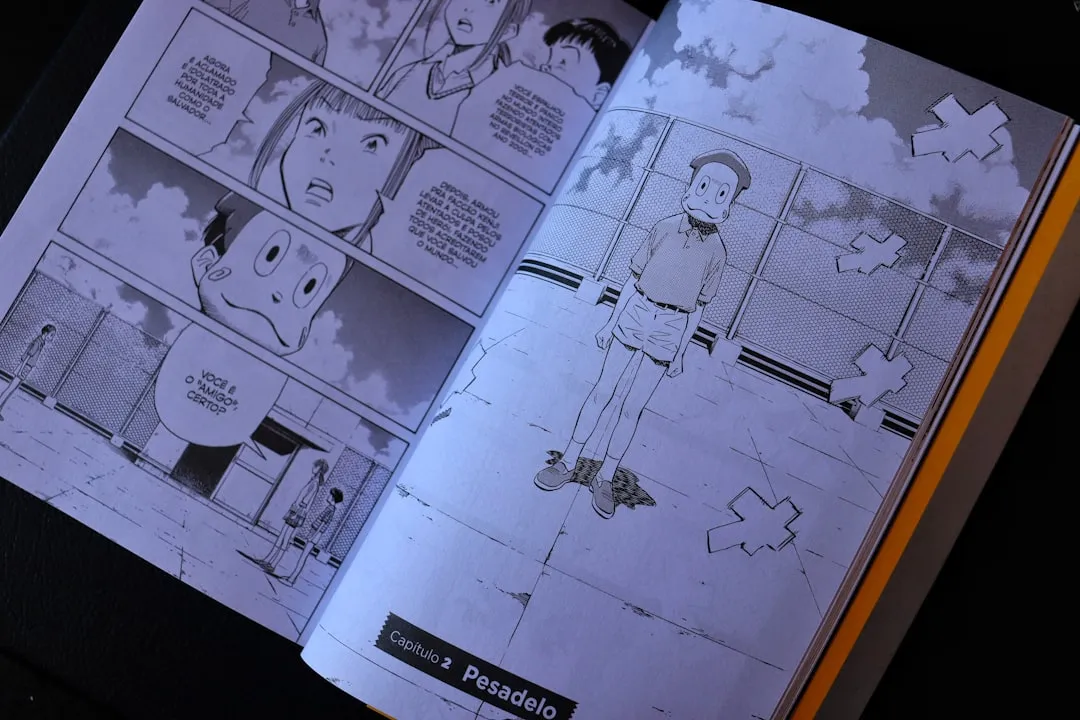
Doukyuusei e Classmates, by Asumiko Nakamura, are acclaimed for emotional depth and exceptional artistic quality. These works transcend traditional categories, attracting readers who do not identify as fujoshis but appreciate well-constructed LGBTQ+ narratives Doukyuusei it won a live-action film adaptation that garnered critical respect.
Hitorijime My Hero it combines action with romance, following a delinquent who finds redemption and love. Sasaki to Miyano it offers a modern perspective on self-discovery and first love among teenagers, resonating especially with young readers of the fujoshi community.
The Fujoshi Community: Creativity and Criticism
Fujoshis are not passive consumers. They create content abundantly: professional-quality fan arts, fanfictions that explore alternative scenarios, critical analysis of narratives and characters, memes and in-depth discussions about subtext in the manga.
Discussions about representation, consent, and fetishization of gay men within heteronormative yaoi are frequent in mature fujoshi spaces.Many women in the community clearly distinguish between yaoi (fiction for women's consumption) and real gay relationships, understanding that one should not dictate expectations about the other.
Platforms like Twitter, Tumblr, Reddit, and Discord are home to active fujoshi communities with tens of thousands of members. Events like anime conventions, fan meetups, and fan art competitions consolidate the community offline. Yaoi-specialized sites like MyReadingManga and AnyManga function as hubs where fujoshis discover recommended works, read reviews, and connect with readers of similar interests.
Recommendations for Beginners and Experienced Readers
If you're starting out, then Junjou Romantic or Sasaki to Miyano they are excellent starting points: both offer accessible stories with well-dosed humor and romance.For those seeking emotional depth, they are Doukyuusei it is indispensablethe quality of art and narrative elevate the experience.
Experienced readers appreciate works such as Given, which combines yaoi with genuine musical drama, or Ten Count, which explores complex psychological dynamics between characters. 19 Days, yaoi chinese webcomic, has won millions of fans globally for the engaging narrative and characters developed over hundreds of chapters.
To explore different tones, consider Gravitation (novel and music) Boukun Koisuru (comedy), Finder (suspense and romance) or Killing Stalking (psychological and dark are recommended only for mature readers). The diversity of works available means that there is yaoi for virtually every taste and level of reading.
The Future of Yaoi and Its Legitimacy
Mainsteam publishers publish works, anime streamers regularly include yaoi productions in catalogs, and the critical language surrounding the genre has become sophisticated.Academically, researchers study yaoi as a significant cultural phenomenon, analyzing its relationship with identity, gender, and media representation.
The presence of real LGBTQ+ in the creative industry is also changing narratives.Many contemporary mangaka are openly gay or queer, offering authentic perspectives that differentiate contemporary works from productions from decades past.
The fujoshi community will continue to grow, especially in developing markets where access to digitized content is increasingly easy. Meanwhile, dialogue between fujoshis, LGBTQ+ creators and cultural criticism promises to enrich future narratives, making yaoi not only a fan phenomenon, but a significant component of the contemporary cultural landscape.